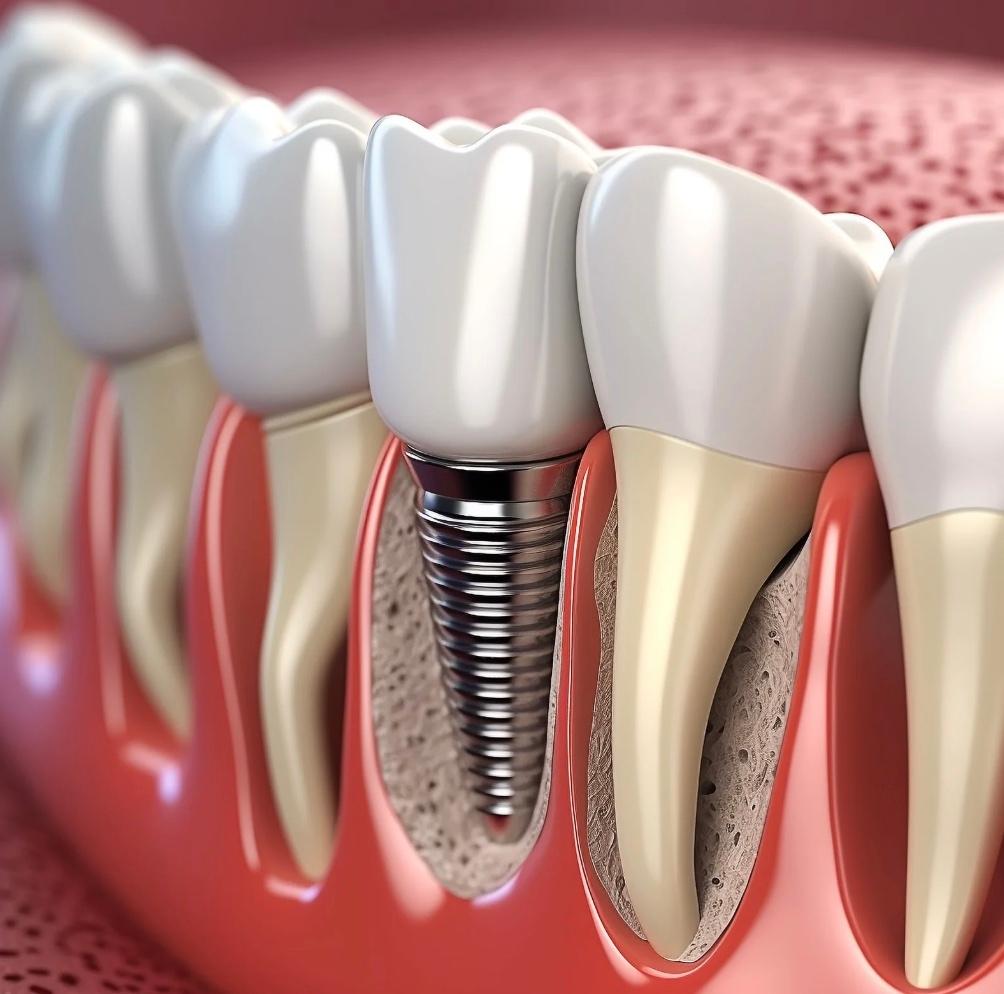
Bone Grafting
Preserving and restoring jawbone structure when necessary.
EXTRACTIONS
If a tooth has to come out, we explain why, how it will be done and what to do afterward, including options to replace it.

WHEN IT IS NEEDED
Dentists try to save natural teeth. Sometimes a tooth cannot be saved. Common reasons include:
WHAT HAPPENS
Your surgeon reviews your health history and images, and explains how the tooth will be removed. Some teeth come out in one piece. Others need to be removed in sections. You will hear which applies to you.
Before you leave, you get written aftercare steps. Ask about replacing the tooth, since bone and gums can change after a tooth is gone. Options may include a bone graft or a dental implant.
COMFORT
The area is numbed first. If you feel nervous or need more than one tooth removed, ask about sedation. Your surgeon will go over what is safe and right for you.
RECOVERY
Follow the instructions your surgeon gives you. In general:
Call 911 for trouble breathing or swallowing, or bleeding you cannot control. Call us if you are worried about anything else.
QUESTIONS
Your surgeon numbs the area before starting. Tell your surgeon right away if you feel pain. You may feel pressure. Some soreness afterward is common, and your surgeon will tell you how to manage it.
Call the office and we will tell you.
Often yes. Options depend on the area and your health. Your surgeon can talk about them at the visit.
RELATED CARE
Preserving and restoring jawbone structure when necessary.
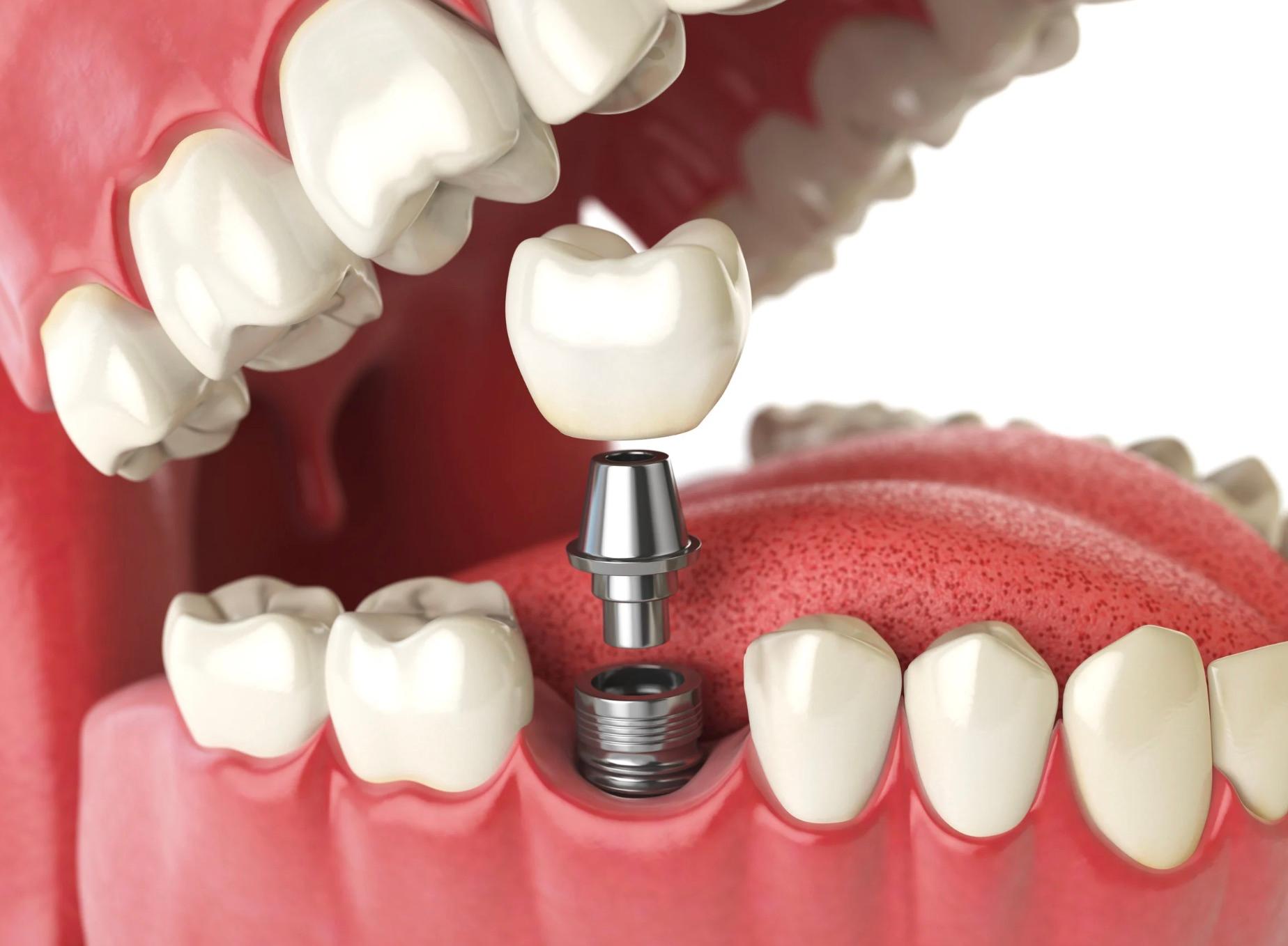
A way to replace a missing tooth.
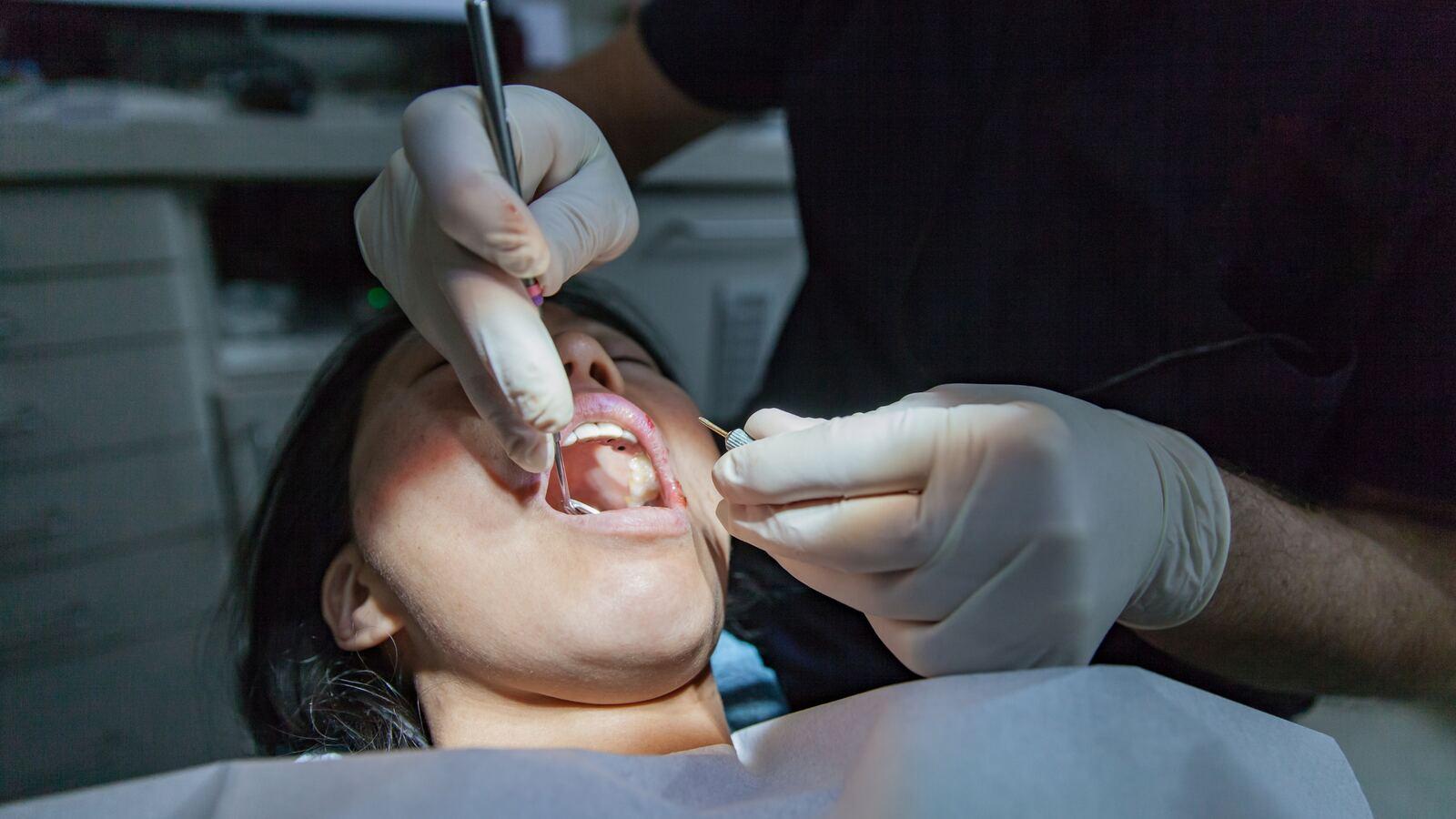
Removal of wisdom teeth that are painful, infected, crowded or only partly through the gum.
That is common. Call us and we will point you to the right visit.
Call (909) 591-0241 →
TALK WITH US
Call the office to set up a visit. Experienced, board-certified oral and maxillofacial surgeons will guide your care.