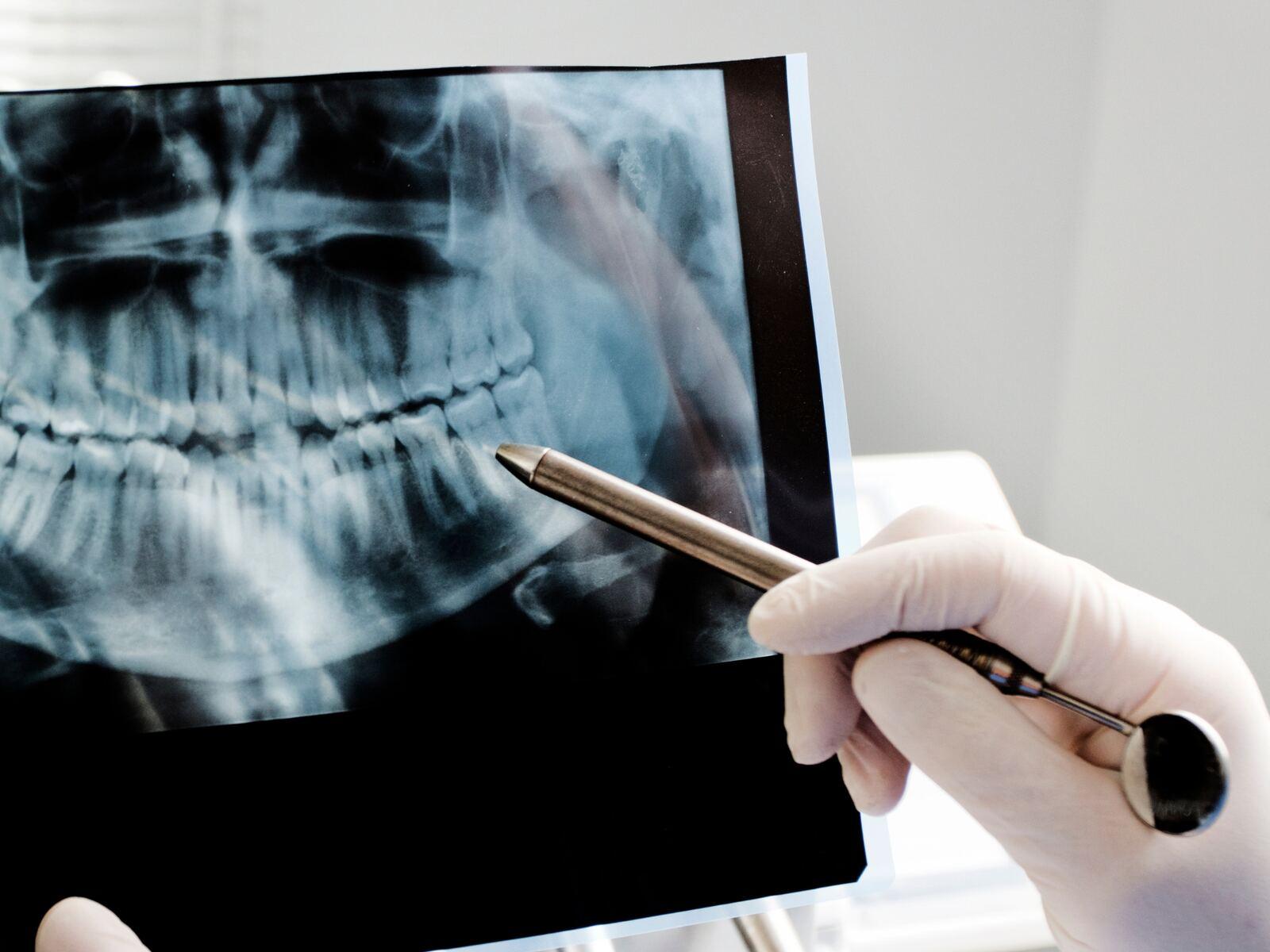
Impacted teeth
Care for teeth stuck under the gum or bone, including impacted wisdom teeth and canines.
WISDOM TEETH
Your surgeon looks at your mouth and diagnostic imaging, explains whether removal is a good idea and walks you through the day before you schedule.

WHEN IT IS NEEDED
Wisdom teeth are the last teeth to come in, usually in the late teens or twenties. Many mouths do not have room for them. Not every wisdom tooth has to come out, but removal is often advised when a tooth:
Only a surgeon who has examined you can say if removal is right for you.
WHAT HAPPENS
Your surgeon will perform a comprehensive examination, review diagnostic imaging, and assess whether surgical removal is recommended. Treatment options, anticipated outcomes, and pre-operative instructions will be discussed to ensure you are fully informed before scheduling your procedure.
On surgery day, you are made comfortable, the teeth are removed and you get written care instructions. Most patients go home the same day with a ride. Please plan for the time. Ask us when you schedule how long to expect to be here.
COMFORT
Your surgeon numbs the area before starting. Tell your surgeon right away if you feel pain. Many patients also choose sedation to feel relaxed or sleep through the procedure. Your surgeon will go over what fits your health and the surgery. Learn more on our sedation page.
Numbs the area around the tooth.
Helps you relax or sleep. Options vary.
RECOVERY
Recovery is different for everyone. These are general ideas only. Follow the instructions your surgeon gives you.
See our before and after instructions page for general guidance. Call 911 for trouble breathing or swallowing, or bleeding you cannot control. Call us if you are worried about anything else.
QUESTIONS
No. Some stay healthy and have room. Your surgeon checks your teeth and diagnostic imaging and tells you what they recommend and why.
It varies. Many people rest for a day or two. Ask your surgeon what to plan for based on your surgery.
Some patients are, and some are awake with numbing, sometimes together with nitrous oxide. The choice depends on your health and what the surgery needs. You will talk it through ahead of time.
Call us at (909) 591-0241 during office hours and tell us you are in pain.
RELATED CARE
Care for teeth stuck under the gum or bone, including impacted wisdom teeth and canines.

Removal of a tooth that cannot be saved or is causing problems, with a plan for what comes next.
That is common. Call us and we will point you to the right visit.
Call (909) 591-0241 →
TALK WITH US
Call the office to set up a visit. Experienced, board-certified oral and maxillofacial surgeons will guide your care.