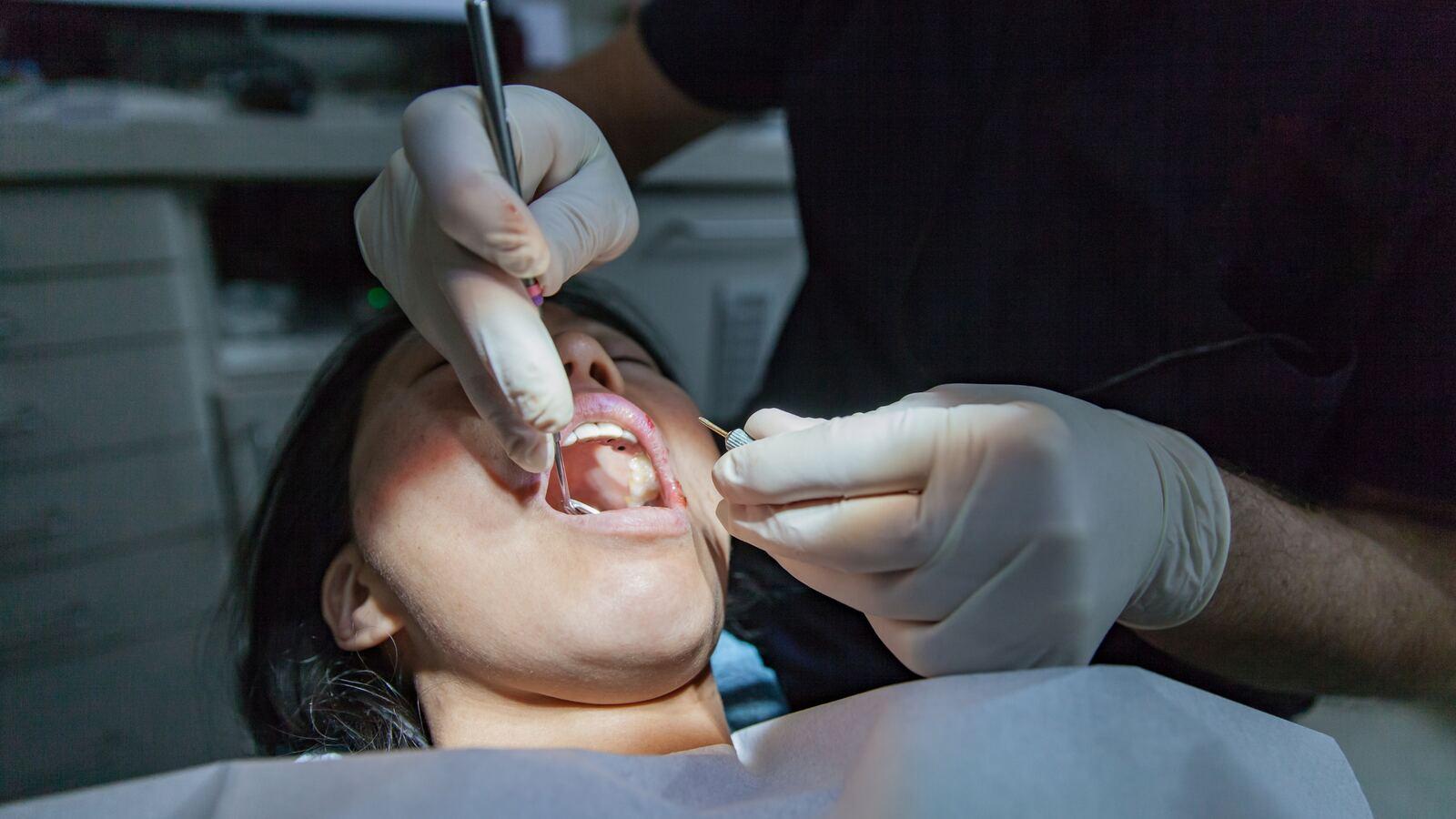
Wisdom teeth removal
Removal of wisdom teeth that are painful, infected, crowded or only partly through the gum.
IMPACTED TEETH
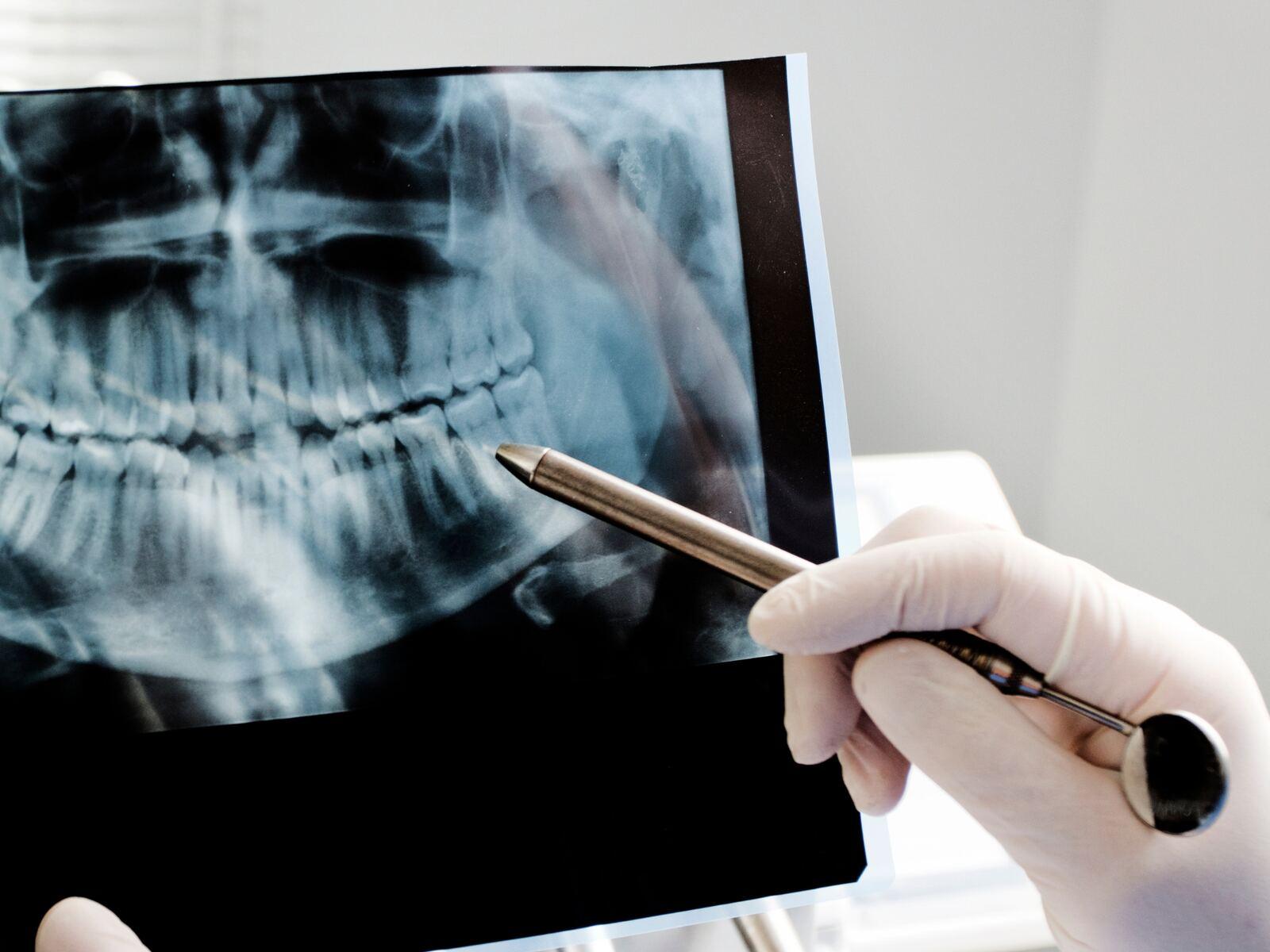
An impacted tooth has not fully emerged through the gum. Your surgeon evaluates its position and orientation and discusses the appropriate treatment options.
WHEN IT IS NEEDED
A tooth is impacted when it is blocked from coming into place by bone, gum or nearby teeth. Wisdom teeth are the most common. Canines (eye teeth) can be impacted too. Treatment may be advised if the tooth:
Some impacted teeth cause no trouble and are only watched over time.
WHAT HAPPENS
Your surgeon studies your diagnostic imaging or scans to see where the tooth sits and how close it is to nerves and neighboring teeth. You discuss whether to remove the tooth, bring it into place or monitor it.
If surgery is advised, we explain each step, cost and recovery before anything is scheduled. Some impacted canines are treated together with an orthodontist.
COMFORT
The area is numbed. Many patients with impacted teeth discuss sedation too, because the surgery can take more time. See our sedation page.
RECOVERY
Follow the instructions your surgeon gives you. In general:
Call 911 for trouble breathing or swallowing, swelling that spreads toward your eye or neck, or bleeding you cannot control. Call us if you are worried about anything else.
QUESTIONS
Sometimes. If it causes no problems, your surgeon may suggest watching it. They will explain the risks of waiting.
Diagnostic imaging is the best way. Signs can include pain at the back of the jaw, swollen gums or a tooth that never came in.
It can be, since the tooth is under gum or bone. Your surgeon explains what your case involves.
RELATED CARE
Removal of wisdom teeth that are painful, infected, crowded or only partly through the gum.

Removal of a tooth that cannot be saved or is causing problems, with a plan for what comes next.
That is common. Call us and we will point you to the right visit.
Call (909) 591-0241 →
TALK WITH US
Call the office to set up a visit. Experienced, board-certified oral and maxillofacial surgeons will guide your care.