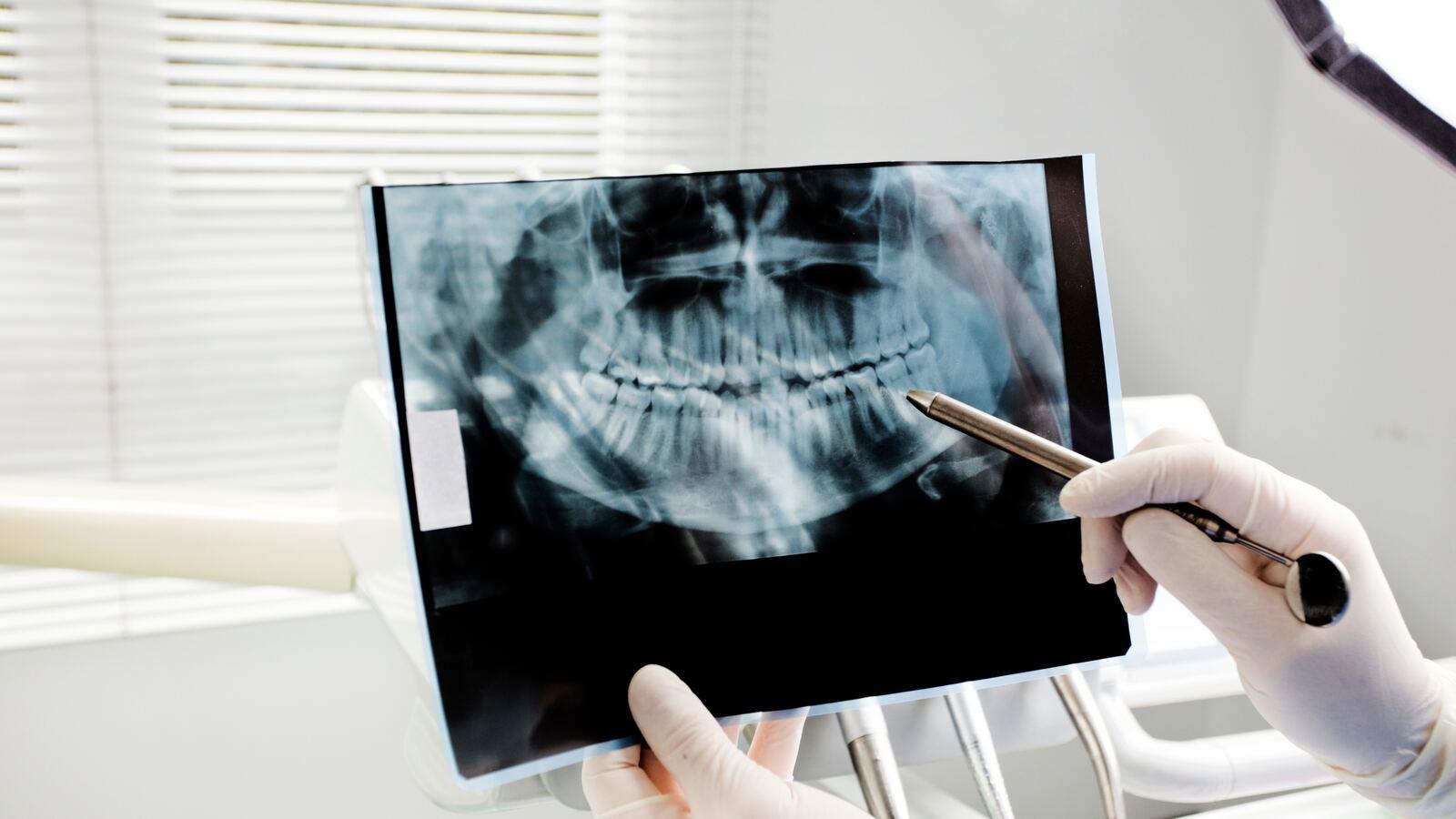
Wisdom teeth
Wisdom teeth: signs it's time for an evaluation
Not every wisdom tooth needs to come out. Learn the common signs that it is time to have yours checked by an oral surgeon, and what an evaluation involves.
November 5, 2026 · 5 min read
Implants
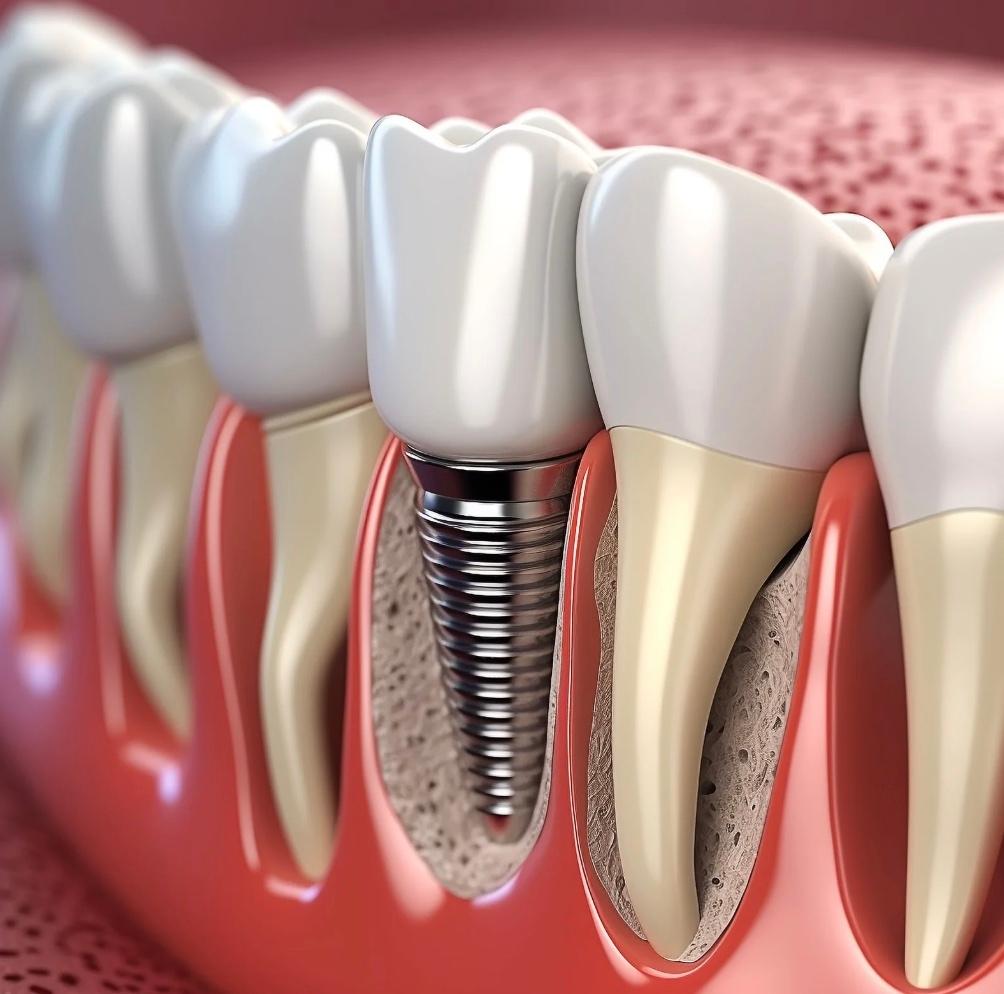
A dental implant is a small post that replaces the root of a missing tooth. It needs healthy bone to hold on to. When the bone is too thin or too soft, your surgeon may suggest a bone graft first. This article explains what that means in plain terms. It is general information, not advice for your own mouth.
Bone in the jaw stays strong partly because teeth use it. When a tooth is removed or lost, the bone where it was starts to shrink over time. This can happen within months. Gum disease, infection, an injury, or a long time without a tooth can also lead to bone loss.
A bone graft adds material to an area so that new bone can grow there. The material acts like a scaffold. Over the following months your body's own cells move in and replace much of it with your bone. The goal is a stronger, thicker foundation for an implant.
Each type has pros and cons. Your surgeon will explain which they recommend and why. If you have preferences or concerns, including religious or personal ones about donor or animal material, tell them before surgery.
Which procedure fits you depends on where the bone is missing and how much. The three below are the ones people hear about most.
Socket preservation. When a tooth is removed, graft material can be placed right away in the empty socket to help keep the bone from shrinking. This can make a future implant simpler.
Ridge augmentation. If the jawbone has already become thin or short, material is added along the ridge to rebuild height or width.
Sinus lift. In the upper back jaw, the sinus can sit close to where an implant would go. A sinus lift adds bone beneath the sinus floor to make room.
The longer a space goes without a tooth, the more bone can be lost. That is why some surgeons talk about grafting at the time of an extraction. If time has already passed, do not worry: there are often still options. An evaluation will tell you which.
Expect some swelling, tenderness, and a soft diet for a while, much like after other oral surgery. Your surgeon will give written instructions, which may include medications, rinses, and what to avoid, such as smoking and pressing on the area. Follow your surgeon's instructions closely, because protecting the graft matters.
Grafts do not always take as hoped. Smoking, certain health conditions, and infection can make it less likely to succeed. Your surgeon will talk with you about the risks and what is realistic for you.
No. Some people have enough bone already. An exam and imaging show whether you do.
You will be numb or sedated during the procedure. Afterward, discomfort varies. Your surgeon will go over a plan for comfort.
It depends on the graft and how you heal. Your surgeon will give you a timeline after your evaluation.
Written by the Chino Valley Oral Surgery team. Information is general and may not apply to you. Please talk with your surgeon about your own care.
Not every wisdom tooth needs to come out. Learn the common signs that it is time to have yours checked by an oral surgeon, and what an evaluation involves.
November 5, 2026 · 5 min read
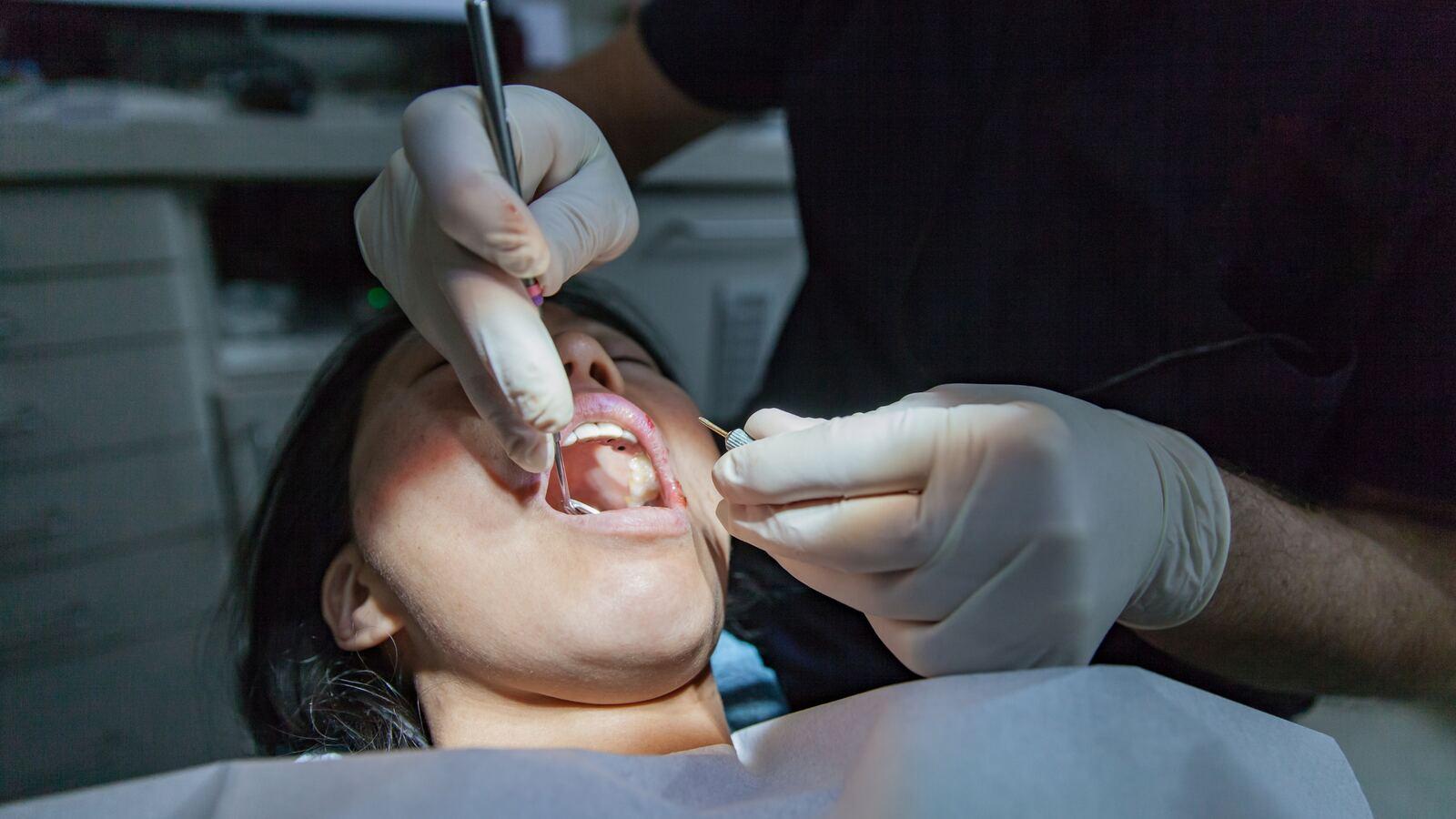
A calm, general timeline for healing after wisdom tooth removal: what many people notice on each day, what helps, and when to call your surgeon.
October 29, 2026 · 6 min read

Dry socket is a known healing problem after a tooth is removed. Learn what it feels like, simple ways to lower the risk, and when to call your surgeon.
October 22, 2026 · 5 min read

Questions?
We are happy to talk through your symptoms, your options, and what to expect. Call us or send a message.