Recovery
Wisdom tooth removal recovery, day by day
A calm, general timeline for healing after wisdom tooth removal: what many people notice on each day, what helps, and when to call your surgeon.
October 29, 2026 · 6 min read
Wisdom teeth
Wisdom teeth are the third set of molars. They usually try to come in between the late teens and the mid twenties, at the very back of the mouth. Some people have plenty of room and never have a problem. Many do not, and that is when a check-up is worth the time.
This article walks through the signs people often notice, what is happening behind them, and what to expect from an evaluation. It is general information, not a diagnosis. Only an exam and diagnostic imaging can tell you what your own wisdom teeth are doing.
The jaw may not have enough space for four more large molars. When that happens, a tooth can come in at an angle, only partly come through the gum, or stay trapped under the gum or in the bone. Dentists call this an impacted tooth.
A partly erupted tooth is hard to clean. Food and bacteria collect around it, which can irritate the gum. A tooth that is angled forward can press on the molar in front of it. These are the reasons your dentist may mention wisdom teeth even when you feel fine.
Having one of these does not mean surgery is needed. It means the area deserves a closer look. Some signs, like a swollen gum flap, can settle on their own and still come back.
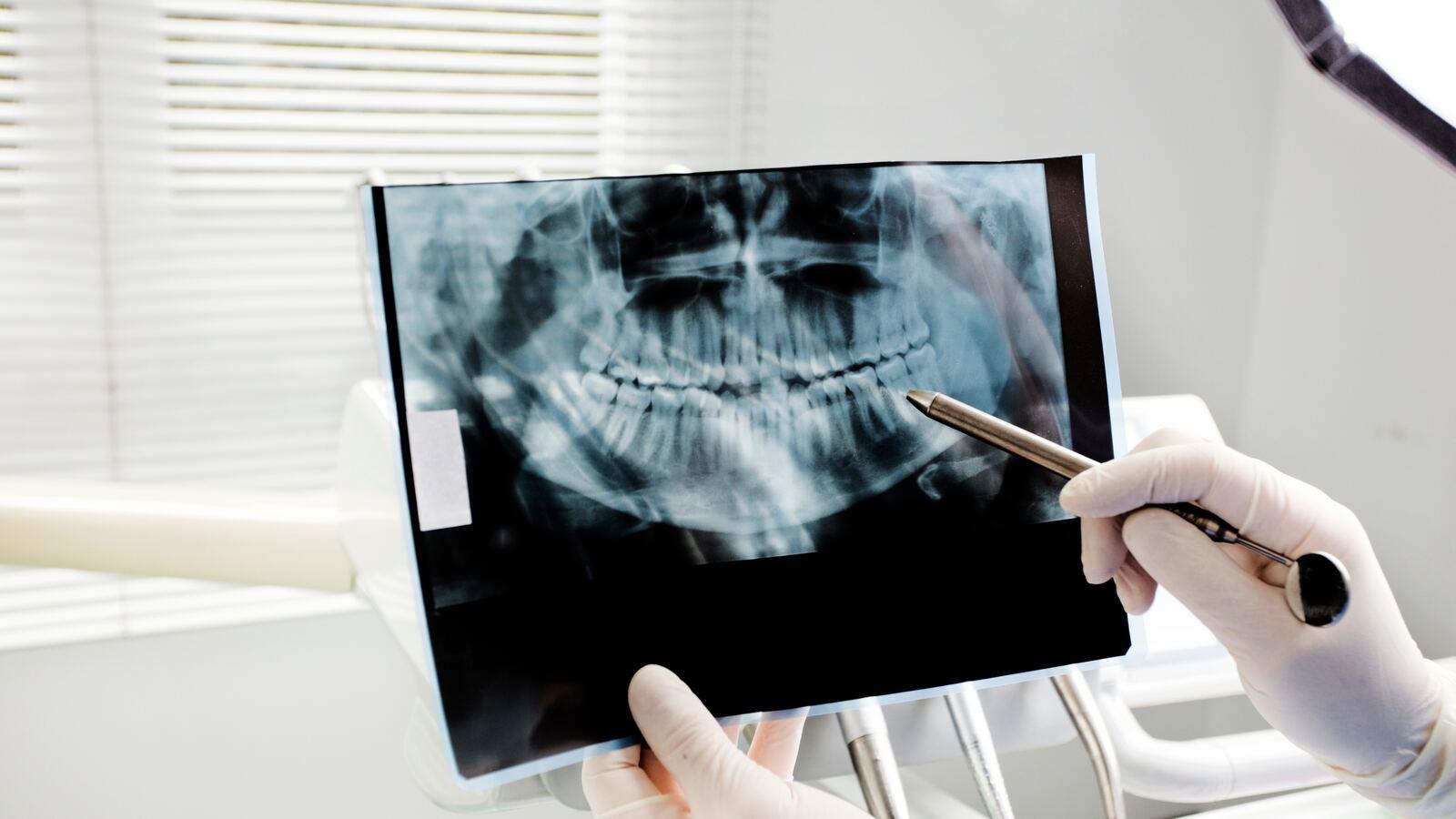
Wisdom teeth can be a problem long before they hurt. A tooth under the gum may be damaging the bone or the neighboring tooth without any pain. That is why many dentists look at wisdom teeth on routine diagnostic imaging in the teen and young adult years and refer patients to an oral surgeon for a closer view.
If your dentist has said your wisdom teeth are growing in an odd direction, or that they will "keep an eye on them," it is reasonable to ask for an opinion from a surgeon. Watching a tooth over time is a valid plan when diagnostic imaging supports it.
Bring your insurance information and any diagnostic imaging your dentist can send. If you are nervous, say so. Planning for comfort is part of the visit. You can read more about how we approach that on our sedation page.
No. If a wisdom tooth is healthy, fully through the gum, and easy to clean, it may be fine to leave it and check it at regular dental visits. Removal is usually discussed when a tooth is causing problems, is likely to, or cannot be kept clean.
Timing can matter too. Many surgeons find that planning removal earlier in adulthood is simpler than waiting, but the right timing depends on your teeth, your health, and your plans. Your surgeon will go over what fits your situation.
No. Healthy wisdom teeth that are fully through the gum and easy to clean can often stay. Your surgeon will recommend removal when a tooth is causing problems or is likely to.
Yes. An impacted tooth can affect the bone or the tooth next to it without causing pain. Diagnostic imaging is the only way to know.
Please call our office at (909) 591-0241 and we will tell you what we need before your visit.
Written by the Chino Valley Oral Surgery team. Information is general and may not apply to you. Please talk with your surgeon about your own care.
A calm, general timeline for healing after wisdom tooth removal: what many people notice on each day, what helps, and when to call your surgeon.
October 29, 2026 · 6 min read

Dry socket is a known healing problem after a tooth is removed. Learn what it feels like, simple ways to lower the risk, and when to call your surgeon.
October 22, 2026 · 5 min read

Nervous about oral surgery? This plain-language guide explains the common types of sedation and anesthesia, how to prepare, and how to choose with your surgeon.
October 15, 2026 · 6 min read

Questions?
We are happy to talk through your symptoms, your options, and what to expect. Call us or send a message.