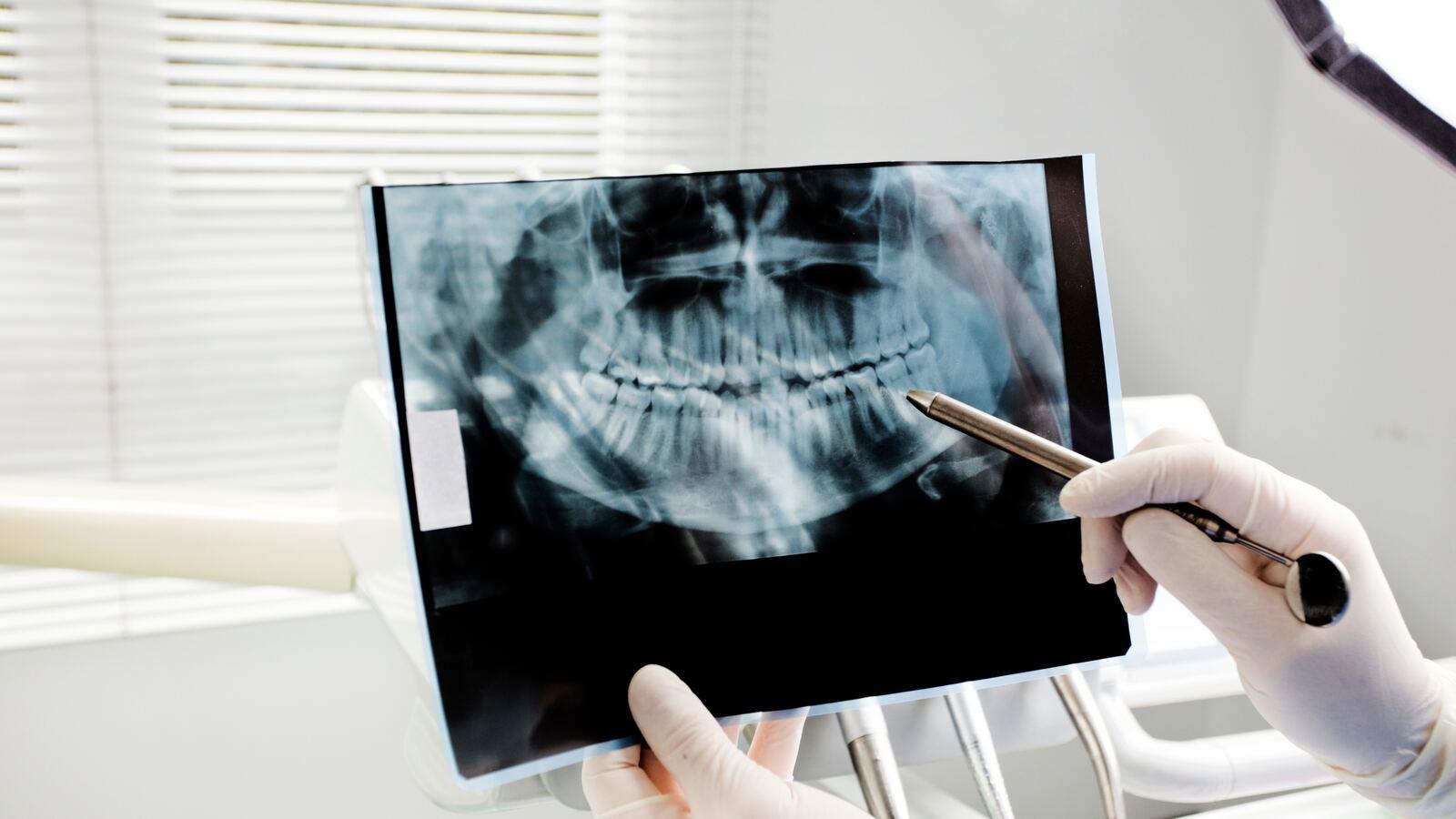
Wisdom teeth
Wisdom teeth: signs it's time for an evaluation
Not every wisdom tooth needs to come out. Learn the common signs that it is time to have yours checked by an oral surgeon, and what an evaluation involves.
November 5, 2026 · 5 min read
Sedation

Many people feel anxious about oral surgery, and that is completely understandable. Comfort options exist for exactly this reason. This guide explains the common types in general terms so you can ask better questions at your visit. It is not a medical recommendation for you.
Local anesthetic numbs the area where the work is being done. You stay awake and can usually feel pressure and movement but not sharp pain. It is used for many procedures, and it is often combined with another option for patients who want to feel more relaxed.
Often called laughing gas, nitrous oxide is breathed in through a small mask over the nose. It helps you feel calm and loose. Its effects wear off quickly after the mask is removed, so many people are able to go about their day, if their surgeon agrees. Follow the guidance you are given about driving.
In IV sedation, medication goes through a small tube placed in a vein. The surgical team can adjust it during the procedure. People are often deeply relaxed or asleep and remember little. Your heart rate, breathing, and oxygen level are watched throughout. You will need an adult to take you home, and you should plan to rest the rest of the day.
At Chino Valley Oral Surgery, the options are local anesthesia, nitrous oxide and IV sedation. Many visits use local anesthesia alone. Nitrous oxide or IV sedation can be added when the procedure or your comfort calls for it. At your consultation, your surgeon reviews your health history and the planned surgery with you, explains what each option feels like, and answers your questions before anything is scheduled. If you have had a difficult experience with numbing or sedation before, please tell us so that we can plan around it together.
Your surgeon looks at several things together: the type and length of the procedure, your health history, your medications, your age and weight, how anxious you feel, and any past experiences with anesthesia. There is no single best option. The right one is the one that is safe for you and fits the procedure.
If your plan includes sedation beyond local anesthetic, your surgeon will give you instructions. These often include fasting before surgery, arranging a ride home, wearing loose comfortable clothing, and not wearing makeup or jewelry. Follow your surgeon's instructions exactly. They are there for your safety. If you get a cold, fever, or other illness before surgery, call us, because we may need to adjust the plan.
After sedation, you may feel groggy, sleepy, or unsteady for hours. It is normal to remember little of what happened. Plan on resting with an adult nearby. Do not drive, make big decisions, or sign important papers for the rest of the day. Start with small sips of water and light foods, and take medications as directed.
Local anesthetic numbs the area, and sedation helps you feel relaxed. Your surgeon will explain what to expect for your plan, and you can ask them to stop or check in at any time.
Sedation can affect your judgment and coordination for hours. A responsible adult needs to take you home and stay with you.
Coverage varies by plan and by procedure. We can help you check your benefits before your visit. Please call (909) 591-0241.
Written by the Chino Valley Oral Surgery team. Information is general and may not apply to you. Please talk with your surgeon about your own care.
Not every wisdom tooth needs to come out. Learn the common signs that it is time to have yours checked by an oral surgeon, and what an evaluation involves.
November 5, 2026 · 5 min read
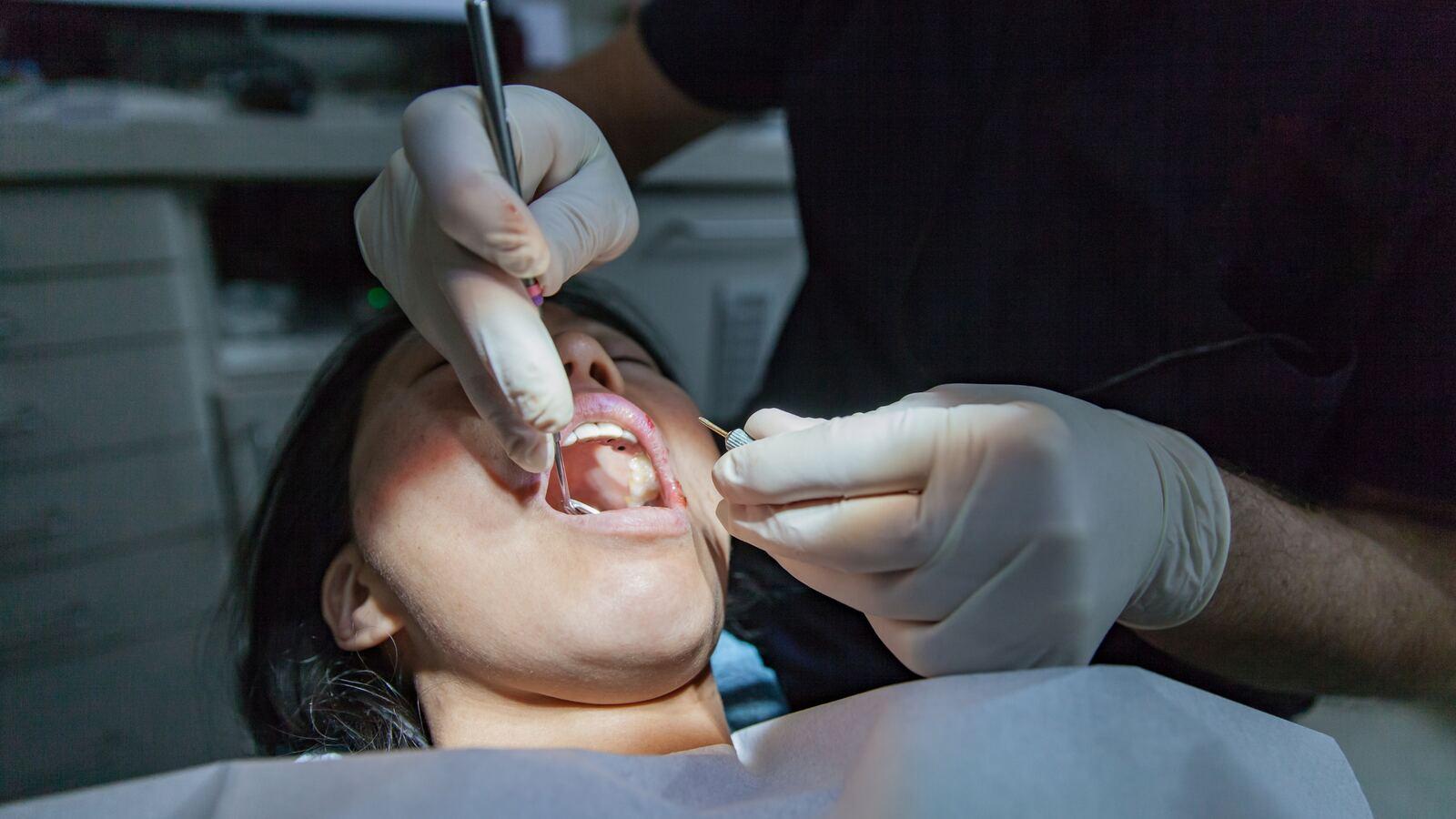
A calm, general timeline for healing after wisdom tooth removal: what many people notice on each day, what helps, and when to call your surgeon.
October 29, 2026 · 6 min read

Dry socket is a known healing problem after a tooth is removed. Learn what it feels like, simple ways to lower the risk, and when to call your surgeon.
October 22, 2026 · 5 min read

Questions?
We are happy to talk through your symptoms, your options, and what to expect. Call us or send a message.