Recovery
Wisdom tooth removal recovery, day by day
A calm, general timeline for healing after wisdom tooth removal: what many people notice on each day, what helps, and when to call your surgeon.
October 29, 2026 · 6 min read
Recovery
Dry socket is one of the most talked-about problems after tooth removal, and it can sound scarier than it is. It is treatable, and most people never get it. Knowing what it is and what to watch for makes it much easier to handle if it does happen.
After a tooth is taken out, a blood clot forms in the empty socket. The clot protects the bone and nerve endings underneath while new tissue grows in. In dry socket, the clot is lost or breaks down too early, and the bone in the socket is exposed. The medical name is alveolar osteitis.
It happens most often after lower wisdom tooth removal. It is not an infection of the whole jaw, but it can be quite painful because the exposed area is sensitive.
Some soreness is a normal part of healing. The difference with dry socket is the pattern: pain that improves for a day or two and then ramps up instead of continuing to fade.
No one can guarantee that a dry socket will not happen. These habits help protect the clot, and your surgeon's written instructions take priority over this list.
Other things can raise the risk too, such as a difficult extraction, a history of dry socket, certain medications, and hormone changes. Tell your surgeon about your health history before surgery so they can plan with you.
Call the office if your pain is getting worse several days after surgery, if over-the-counter medication is not enough, or if you notice a bad taste or an empty-looking socket. You do not need to wait it out or feel bad about calling. Early treatment usually brings relief sooner.
Take pain medication only as your surgeon directed. Stay hydrated, keep eating soft foods, and keep your head raised when you rest. Keep brushing your other teeth, and avoid poking the area with your tongue or fingers. If you were given a rinse, use it the way the instructions describe. Write down when the pain changed so you can tell us when you call.
Treatment is usually simple. The surgeon may gently clean the socket and place a medicated dressing that soothes the area. You may be asked to come back for dressing changes, and to rinse at home in a specific way. Pain typically eases once the area is covered and protected, and the socket goes on to heal. How long that takes varies from person to person.
Do not try to pack the socket yourself or put home remedies inside it. Let your surgeon decide what is safe.
Not necessarily. It can happen even when everything was done carefully, which is why aftercare matters so much.
The socket will eventually heal, but it can be very uncomfortable meanwhile. Calling your surgeon can bring relief much sooner.
No. Dry socket is about the clot being lost. Infection is a separate problem with signs like fever, pus, or swelling that grows. Call us if you are unsure which you have.
Written by the Chino Valley Oral Surgery team. Information is general and may not apply to you. Please talk with your surgeon about your own care.
A calm, general timeline for healing after wisdom tooth removal: what many people notice on each day, what helps, and when to call your surgeon.
October 29, 2026 · 6 min read
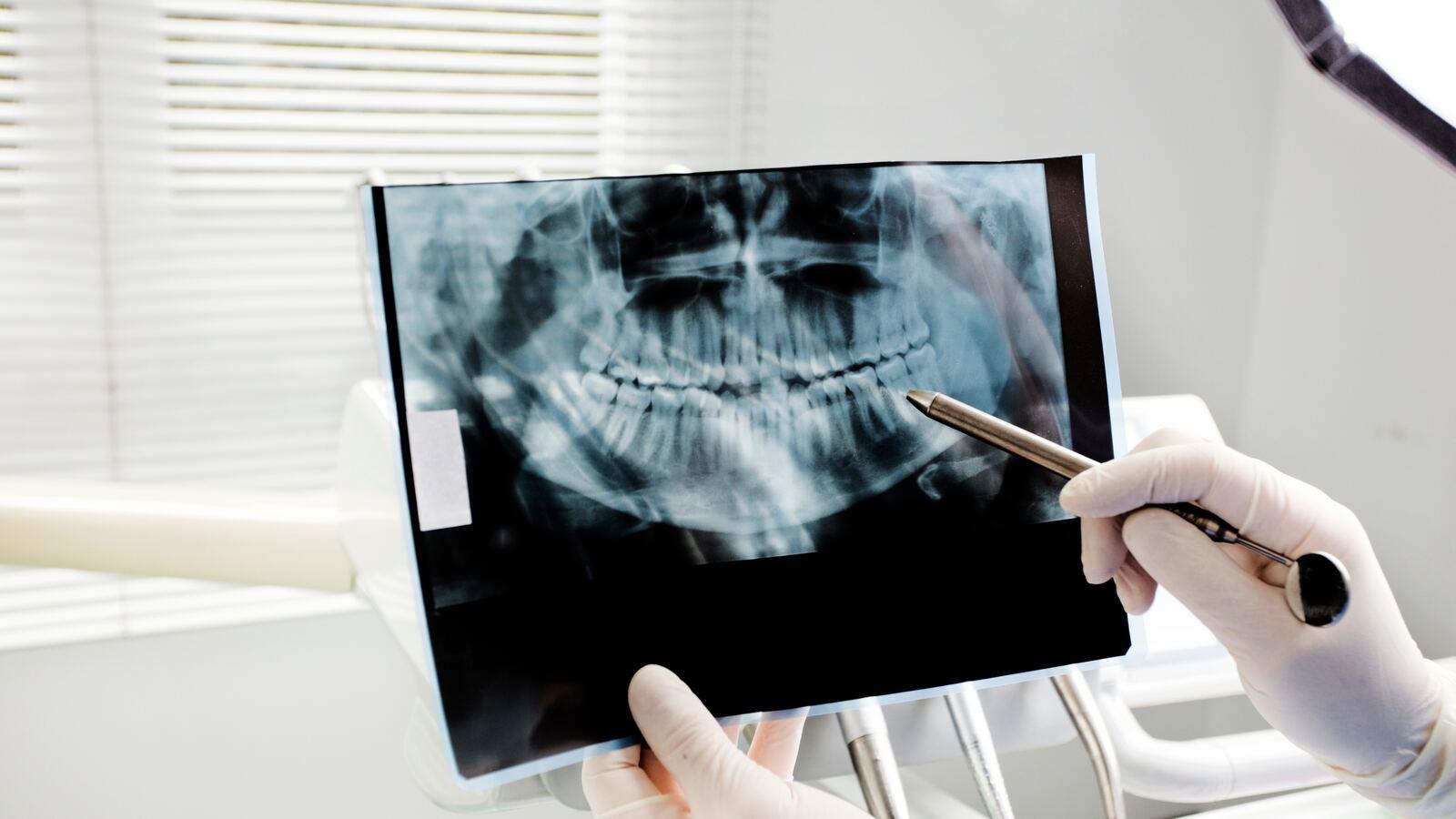
Not every wisdom tooth needs to come out. Learn the common signs that it is time to have yours checked by an oral surgeon, and what an evaluation involves.
November 5, 2026 · 5 min read

Nervous about oral surgery? This plain-language guide explains the common types of sedation and anesthesia, how to prepare, and how to choose with your surgeon.
October 15, 2026 · 6 min read

Questions?
We are happy to talk through your symptoms, your options, and what to expect. Call us or send a message.